






What Makes a High-Quality Italian Loafer? The Anatomy of Craftsmanship
The Difference Between "Made" and "Crafted"
In a world flooded with mass-produced footwear, the phrase "Made in Italy" still holds weight. But why? Is it just marketing, or is there a tangible difference in the product?
The truth is, not all loafers are created equal. A high-quality loafer is not just a shoe; it is a feat of engineering and art. It should breathe, mold to your foot, and last for years.
At Del Toro, we believe an educated customer is our best customer. Whether you are buying your first pair of dress shoes or adding to a collection, here is the definitive guide to what actually makes a loafer "high quality."

1. The Material: Full-Grain Leather & Premium Suede
The most important factor in shoe quality is the raw material. If the leather is poor, the construction doesn't matter.
-
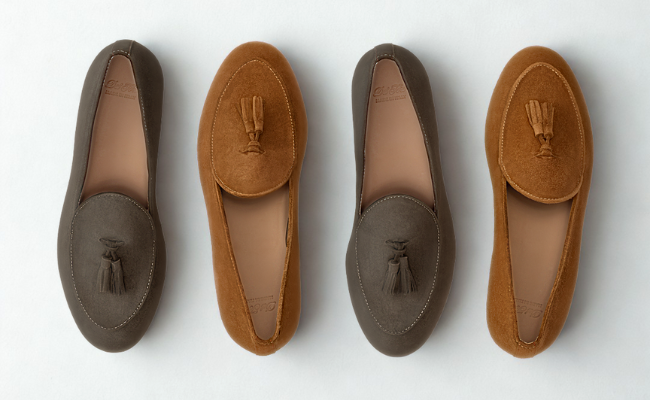
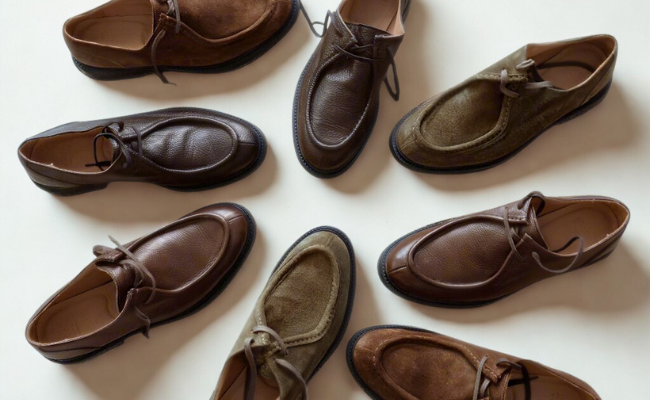
What to Look For: High-quality loafers use Full-Grain Leather or top-tier Italian Suede.
-
The "Why": Full-grain leather uses the outermost layer of the hide. It retains the natural grain, meaning it is breathable, durable, and develops a beautiful "patina" (luster) over time.
-
The Red Flag: Avoid "Genuine Leather" or "Corrected Grain." These are often lower-quality hides that have been sanded down and coated in plastic to look smooth. They don't breathe, and they will crack instead of crease.
At Del Toro, we source our premium leathers and suedes from Italy’s most prestigious tanneries to ensure the leather is soft from the very first wear.
2. The Construction
How the sole is attached to the upper is the true test of longevity. Some high-quality Italian loafers are stitched, while others may be cemented. This depends on the shoe style, delicacy of the materials used, and comfort goal. Sometimes both methods are used on the same shoe.
It used to be that cemented, or "glued" shoes, were considered lower quality. Luckily, it's 2026, and the technology has come a long way. The truth is, high-quality loafers can have cemented soles and blake stitch soles (and other types of attachment methods, like a goodyear welt). ultimately, a general rule of thumb is that if a sole is stitched, it will likely be a bit stiffer and require more "breaking in". That's why we typically use a combination of both methods to ensure the utmost comfort while maintaining premium levels of quality.
-
How Blake Stitching Works: The upper is wrapped around the insole and attached between it and the outsole. A single stitch runs through everything.
-
How Cementing Works: The upper is wrapped around the insole and ultra-strength cement is delicately hand-brushed between it and the outsole.
-
Why We Use It: A half Blake Stitch with hand-brushed cementing allows for a closer cut sole and a sleeker, more flexible profile than the heavier Goodyear Welt (Goodyear Welt's tend to be very stiff and are commonly found in English footwear, for example). It offers the perfect balance of elegance, durability, and, most importantly, comfort. This method also allows the shoe to be resoled with ease. When you wear through the sole of a Del Toro loafer after many years, a cobbler will not have any issues bringing it back to life.
3. The Interior: Full Leather Lining
Many brands cut costs by using fabric or synthetic materials inside the shoe where you can't see it. A luxury loafer should be beautiful inside and out.
-
The Standard: A glove-soft leather lining (often goat or calf).
-
The Benefit: Leather lining absorbs moisture and sweat from your foot, keeping you cool and preventing odors. Synthetic linings trap heat, leading to discomfort.
-
The Fit: A leather lining also helps the shoe mold to the unique shape of your foot, creating a custom fit after the break-in period (which is very short for Del Toro loafers!)
4. The Components: Stacked Leather Heels
Tap on the heel of a shoe. Does it sound hollow?
-
Cheap Loafers: Often use hollow plastic heels wrapped in a thin veneer of leather. They wear down quickly and sound "clunky" when you walk.
-
High-Quality Loafers: Use Stacked Leather. Layers of real leather are compressed and nailed together. This provides better shock absorption, a satisfying "solid" sound on pavement, and can be easily repaired by a cobbler.
5. The Finish: Hand-Painting and Stitching
The final 10% of the process is what separates a good shoe from a great one.
-
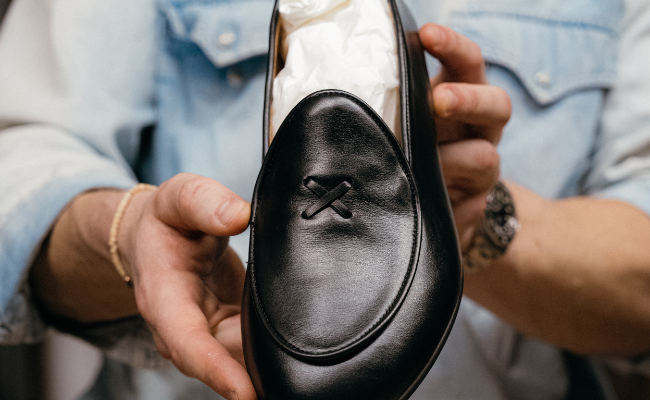
Hand-Painted Soles: In high-end Italian shoemaking, the leather sole is often hand-painted or dyed for a rich, artisanal finish. We tend to use more natural soles that don't require painting (we also have a custom rubber injection for grip), but we aren't opposed to shoes that utilize this method!
-
Stitch Density: Look at the stitching on the upper. High-quality shoes have a high "stitch density" (more stitches per inch), which results in a stronger, cleaner seam. Note that handmade loafers don't always have exact or precise stitch density, and that's totally okay.
The "Quality Check" Checklist
Next time you are shopping for loafers, run through this mental checklist to ensure you are getting your money's worth:
-
Smell It: It should smell like rich, organic leather—not chemicals or glue.
-
Bend It: A quality loafer should have some resistance but flex naturally at the ball of the foot.
-
Check the Sole: Identify which sole is right for you. If comfort is your primary concern, go with something adhered. If water-proof and longevity is your goal, go with a Goodyear welt. If you want something in between, go with a Blake stitch. We find that, ultimately, most guys care about how comfortable the shoe is given they are often rotating their footwear wardrobe every couple of years anyways.
-
Look Inside: Is the lining leather? Is the heel padded?
Experience the Difference
Ready to feel the difference of handmade Italian construction?
FAQ: Shoe Education
Q: How long should a high-quality pair of loafers last?
A: With proper care (using shoe trees and rotating pairs), an adhered or Blake-stitched Italian loafer can last 5 to 10 years or longer. The leather upper will often outlast the sole, which can be replaced.
Q: Do high-quality loafers hurt to break in?
A: They shouldn't be painful. A high-quality loafer made of premium soft leather or suede should be comfortable from the start, though it will feel "snug." Over the first 3-5 wears, the leather will relax and conform to your foot. Goodyear welted shoes will be stiffer and likely require a prolonged break-in period.
Q: Why are Italian shoes considered the best?
A: It comes down to heritage, discipline, and craft. Italian manufacturing regions (like where Del Toro produces) have centuries of generational knowledge in leather tanning and shoemaking. The supply chain—from the thread suppliers to the leather tanneries—is localized and obsessed with quality control. Most of these people have learned from their grandparents, and have passed the skills of their craft on to generation after generation.


